
Age & Vintage
Older age statements, notable vintages, and harder-to-replace release years strengthen the rarity signal.
 Explore Top MRI Whiskies
| # | Whisky | Details | Fair Market Value | 30D Change | Price Movement (30D) | MRI Score | |
|---|---|---|---|---|---|---|---|
| Loading current MRI market data… | |||||||
Older age statements, notable vintages, and harder-to-replace release years strengthen the rarity signal.
Limited editions, single casks, small allocations, and discontinued bottles can lift a bottle's MRI.
Auction attention, retail scarcity, collector demand, and recent market activity help calibrate rarity.
Provenance, prestige releases, distillery importance, and community recognition shape collectibility.
The score is a rarity signal, not a tasting score and not a guaranteed resale price. Read it together with Fair Market Value, reviews, and market evidence.
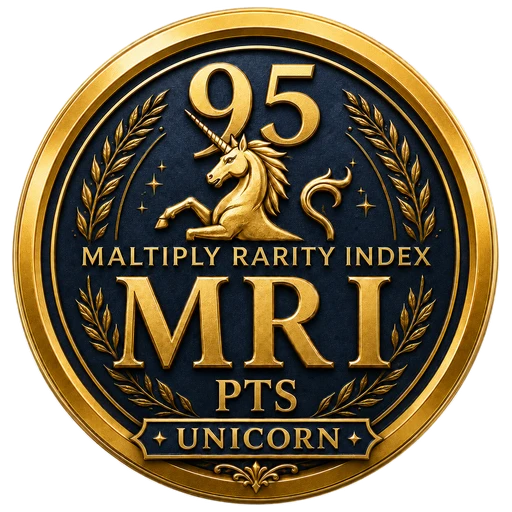
The highest level of whisky rarity.
Exceptionally rare, historically important, or almost impossible to replace. These bottles combine extreme scarcity, provenance, collector demand, and market recognition.
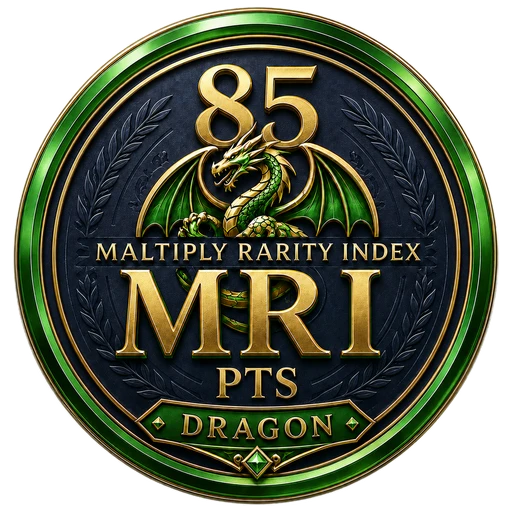
Highly rare and strongly desirable.
Powerful rarity evidence across age, release scarcity, cask character, market attention, or collector demand, sitting just below unicorn-level releases.
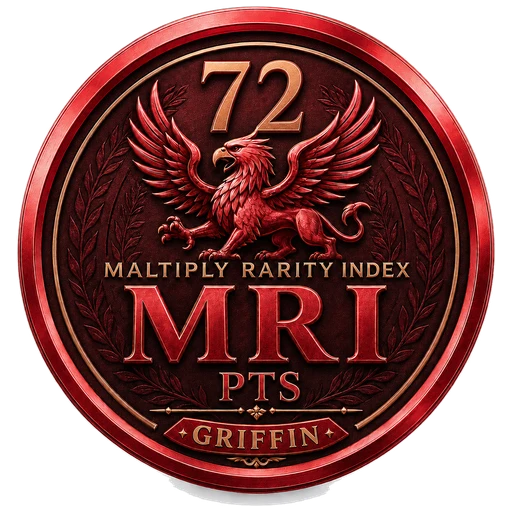
Meaningful rarity with solid evidence.
Clear collectibility, scarcity, or demand signals. Attractive to focused collectors, but not strong across every MRI factor.
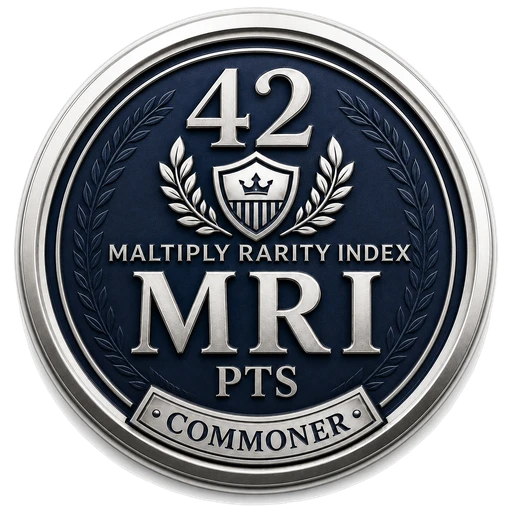
Accessible, lower-rarity, or limited evidence.
Commoner does not mean low quality. It means the bottle currently has less rarity evidence, or the available data is not strong enough yet.